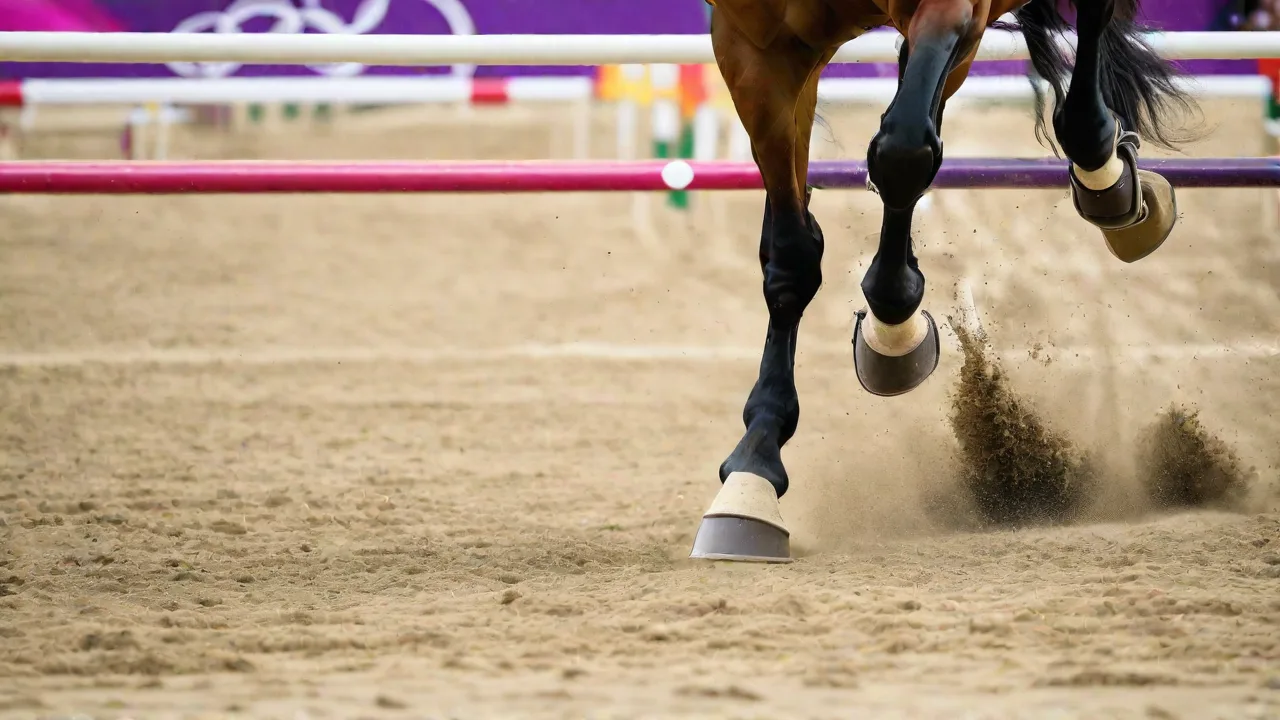
The Effect of Ground Conditions on Show Jumping Performance at the Olympics
Show jumping is a thrilling equestrian sport that tests the skill and agility of both horse and rider. At the Olympic level, the quality of the ground or footing plays a crucial role in the performance and safety of competitors. Understanding how ground conditions influence show jumping outcomes can help athletes, trainers, and organizers improve the sport.
The Importance of Ground Conditions
The footing in a show jumping arena affects the speed, accuracy, and safety of the competition. Well-maintained ground provides a consistent surface that allows horses to perform at their best without risking injury. Conversely, poor ground conditions can lead to slips, falls, and subpar performance.
Factors Influencing Ground Quality
- Moisture Content: Proper watering ensures the ground is neither too hard nor too soft. Too dry and the surface becomes brittle; too wet and it becomes muddy.
- Surface Composition: A mix of sand, fiber, and other materials creates a stable footing that absorbs shock and provides grip.
- Maintenance: Regular dragging and grooming keep the surface even and free of debris.
- Weather Conditions: Rain, heat, and humidity can alter ground properties during the event.
Impact on Performance and Safety
Optimal ground conditions enable horses to maintain their speed and jumping accuracy. Good footing reduces the risk of slipping, which can cause refusals or falls. On the other hand, uneven or unstable ground can lead to mistakes, injuries, or disqualification.
Case Studies from Recent Olympics
In the 2016 Rio Olympics, organizers faced challenges with muddy and uneven ground after heavy rains. This affected several competitors, highlighting the importance of proper drainage and surface management. Conversely, the 2020 Tokyo Olympics featured meticulously maintained arenas with advanced footing technology, contributing to smoother performances and fewer incidents.
Conclusion
Ground conditions are a vital factor in the success and safety of Olympic show jumping. Advances in arena technology and diligent maintenance practices continue to improve the quality of footing, helping athletes perform at their highest levels while minimizing risks. As the sport evolves, understanding and optimizing ground conditions will remain a top priority for organizers and competitors alike.